- admin@realignchirophysio.ca
- 236-325-2239
- #300-20055 Willowbrook Dr. Langley, BC
Meniscus rehab in Langley is an important part of recovering from a meniscus tear, meniscus repair, or meniscus surgery. Whether your injury happened from sports, twisting, squatting, or gradual wear and tear, the right physiotherapy plan can help reduce pain, improve knee movement, rebuild strength, and restore confidence.
At Realign Chiro Physio & Rehab, we provide meniscus physiotherapy in Langley focused on improving knee function through structured rehabilitation. A meniscus injury can affect your walking, squatting, stairs, exercise, and overall knee stability. Without proper meniscus rehabilitation, symptoms often linger longer than they need to.
This page is part of our Post-Surgical Rehab program, helping patients recover from orthopedic surgery and knee injuries with structured physiotherapy.
Book your meniscus physiotherapy assessment today.
The meniscus is a cartilage structure inside the knee that helps absorb force, stabilize the joint, and improve movement between the thigh bone and shin bone. Each knee has two menisci—one on the inside (medial) and one on the outside (lateral).
A meniscus injury rehab plan depends on:
Meniscus tears can happen suddenly from twisting or gradually from degeneration.
Meniscus tear rehab helps restore normal knee function.
Meniscus injuries can cause several symptoms depending on the severity.
Common symptoms include:
If these symptoms continue, meniscus pain treatment Langley may help improve recovery.
If knee pain continues, our knee pain treatment in Langley programs can help identify the underlying causes affecting your recovery
Meniscus injuries can happen from:
Some tears heal conservatively, while others require meniscus surgery rehab.
At our clinic, assessment is focused on understanding the full knee function—not just the tear itself.
We assess:
Our knee physiotherapy Langley assessments help guide the right rehab plan.
Physiotherapy for meniscus tear is often one of the most effective treatments for improving function and reducing symptoms.
Our physiotherapy in Langley clinic focus on:
Meniscus tear physiotherapy should progress properly based on healing.
Treatment depends on whether your tear is being managed conservatively or surgically.
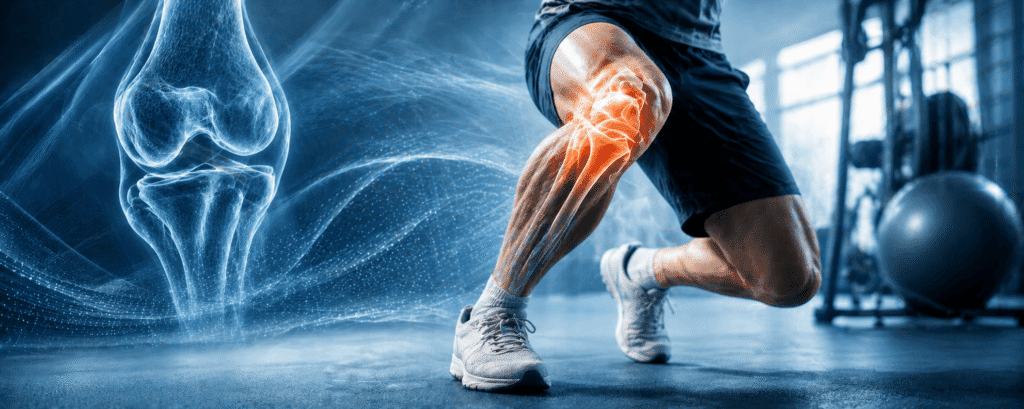
Meniscus rehab often starts by restoring knee movement.
This may include:
Restoring motion helps improve recovery.
Knee strengthening after meniscus tear is critical.
We focus on:
Strength supports the knee and reduces overload.
Knee strengthening after meniscus tear is critical.
We focus on:
Strength supports the knee and reduces overload.
Meniscus rehab exercises may include:
These meniscus tear recovery exercises are progressed based on your stage.
Meniscus injuries often reduce knee confidence and control.
Balance training may include:
Improving knee control reduces reinjury risk.
Post-surgical meniscus rehab is important after meniscus repair or partial meniscectomy.
Rehabilitation after meniscus surgery helps restore: